Condensation is caused by moisture in the air from everyday living meeting cold surfaces, while damp comes from water entering the building. They look similar but have very different causes and solutions.
Understanding the Difference
Damp and condensation are often confused, but identifying the correct cause is essential to fixing the problem effectively — and avoiding wasted money on the wrong remedy.
Condensation is by far the most common cause of damp-related complaints in UK homes.
Signs of Condensation
Condensation typically appears on cold surfaces and in poorly ventilated areas.
Water droplets on windows and cold walls
Black spot mould in corners and around windows
Musty smells, especially in bedrooms and bathrooms
Worse in winter and in rooms with poor airflow
Signs of Penetrating or Rising Damp
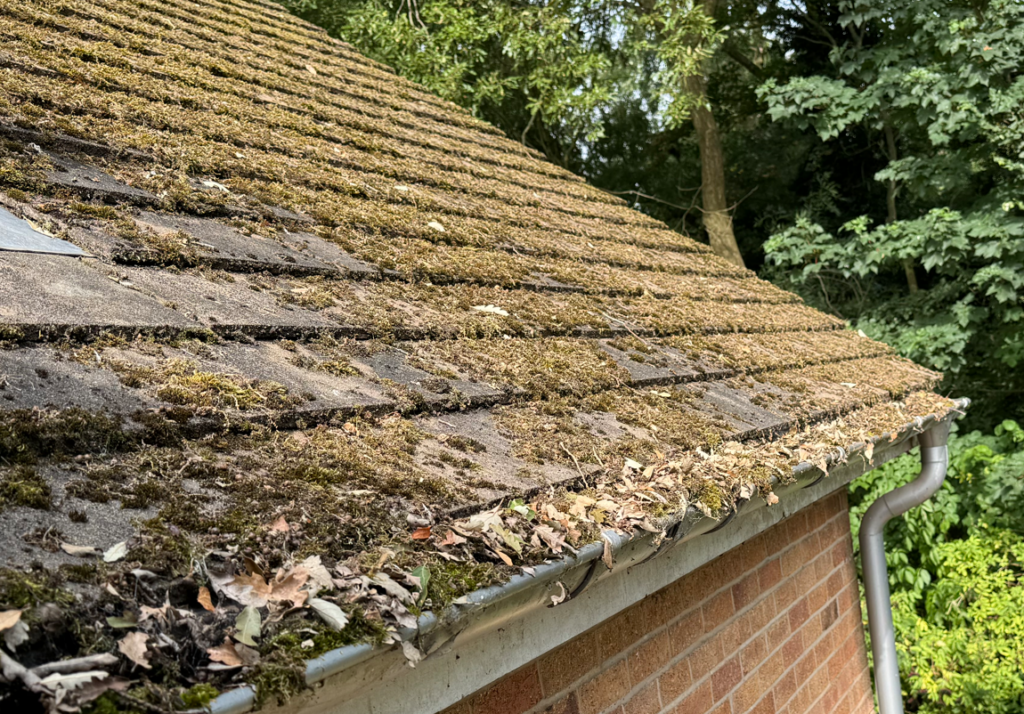
Genuine damp comes from water entering the structure of the building.
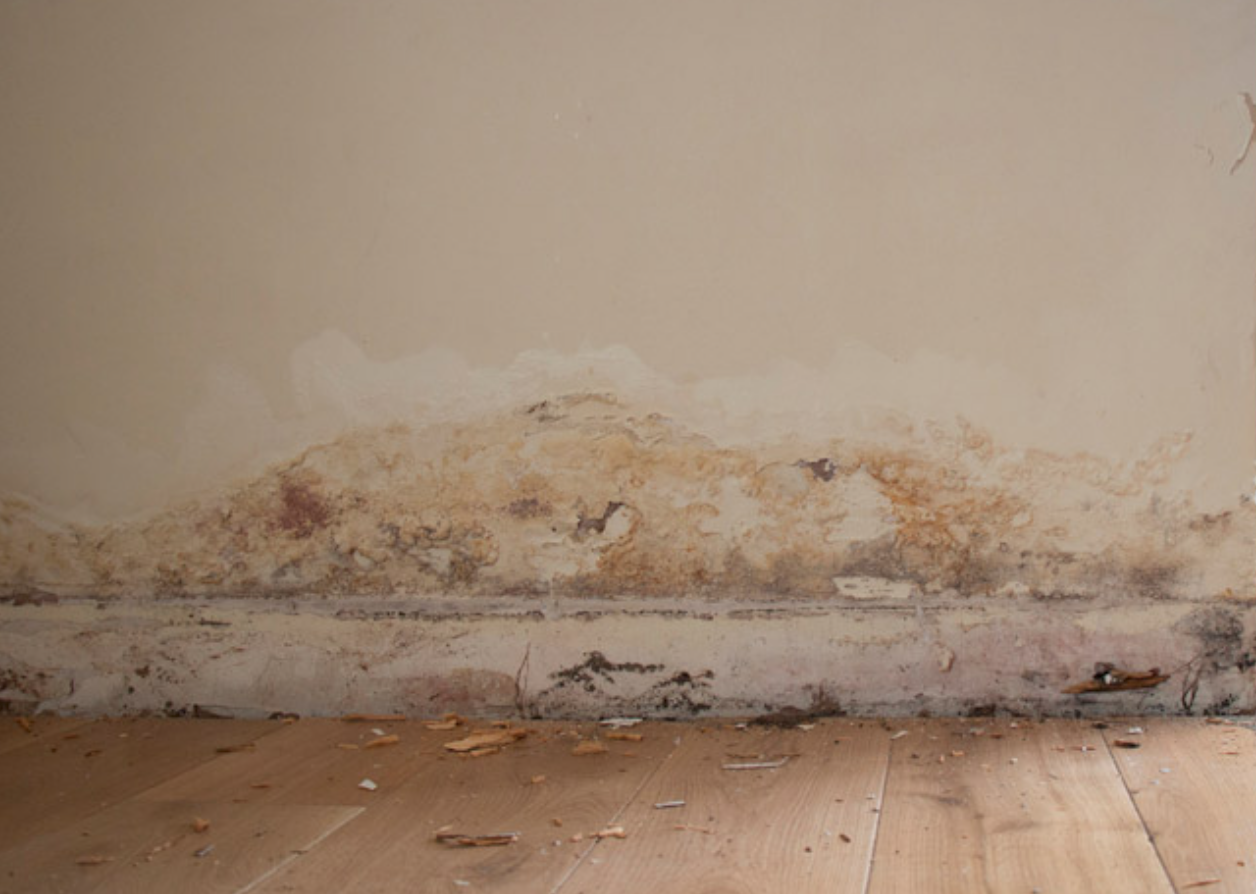
Rising damp is far less common than often claimed, and is characterised by a tide mark low down on walls.
How to Address Each Problem
Condensation is usually managed by improving ventilation, heating and insulation. Damp requires identifying and stopping the source of water ingress. An independent timber and damp survey will accurately diagnose which you are dealing with.
Frequently Asked Questions
Is condensation serious?
Persistent condensation can lead to mould growth that affects health and damages decoration, so it should be addressed promptly.
Do I need treatment for rising damp?
Often not — many cases diagnosed as rising damp are actually condensation or penetrating damp, so an independent diagnosis is important.
Can you tell which I have?
Yes, our independent surveyors use moisture readings and inspection to identify the true cause.